Shipping & Delivery: Orders will be dispatched again on
the 1st of September

The Story Behind Formica: A Vintage Icon
29.05.2023
by Constanza
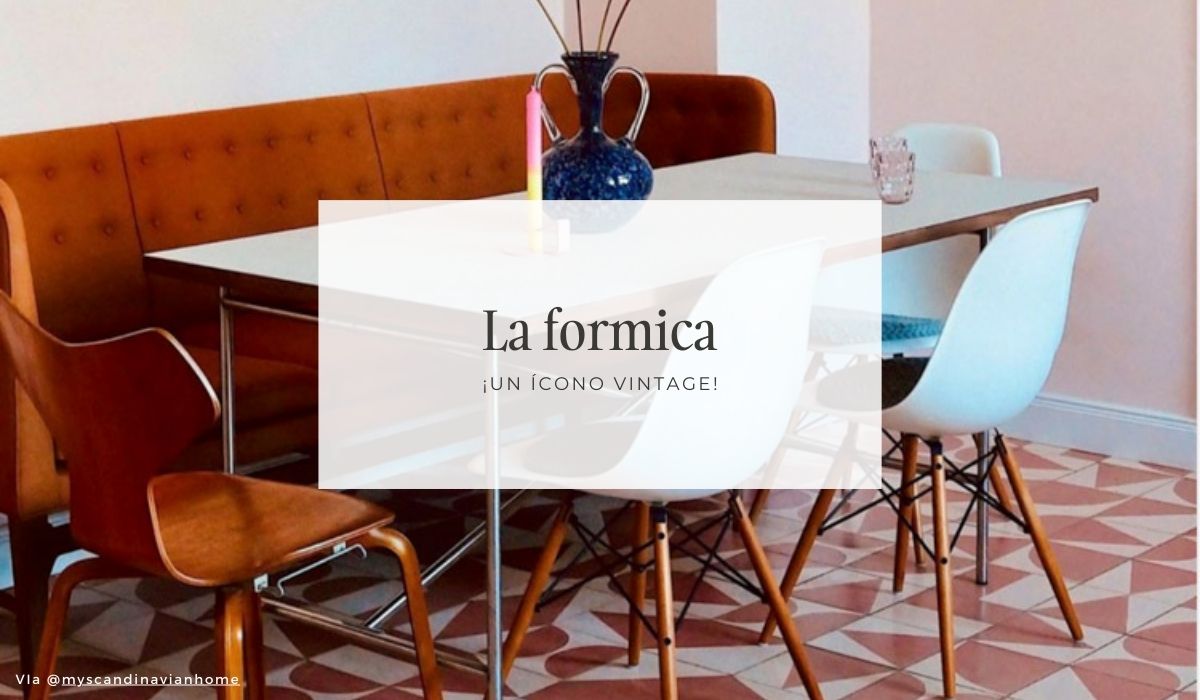
You've probably seen countless Formica furniture pieces, especially in vintage-style chairs and tables. But have you ever wondered about the origins of this retro material, what makes it unique, and why it became such a design staple?
Let’s take a closer look!
Origins
Formica was created in 1913 by two electrical engineers, Herbert A. Faber and Daniel J. O’Conor. Initially, it was designed as an insulating material meant to replace mica, which is where its name comes from—a combination of the English words “for” and “mica.” This led to the founding of the Formica Products Company.
Over time, its purpose evolved, and by the 1930s, the company had started producing decorative laminates.
What Is Formica Made Of?
Formica is manufactured by pressing layers of paper laminate with resin under high heat, which gives it the necessary thickness and durability.
Why Is It a Vintage Icon?
Formica first gained popularity in interior design during the 1930s, especially in cafés and restaurants. Its durability and cigarette-resistant properties made it a practical choice. However, it wasn’t until the 1960s that Formica became a household staple, widely used in furniture design and becoming an essential feature of the era.
Both in the United States and Europe, mass production of Formica furniture skyrocketed, which is why we can still find original chairs, tables, and desks made of this material today.
Thanks to its widespread presence, Formica became synonymous with modern living, making its way into homes across the world.
What Makes Formica a Unique Material?
- Affordable: Compared to other finishing materials, Formica is budget-friendly. Its versatility allows it to be used in various applications, from furniture to kitchen countertops and beyond.
- Versatile: Available in an endless variety of colors and patterns, Formica continues to evolve, offering new design possibilities that keep it relevant in modern interiors.
- Durable: Thanks to its strong composition, Formica has a long lifespan. It remains in excellent condition even after decades of use, which is why many original 1960s pieces still look as good as new.
- A Timeless Vintage Icon: As a defining material of 20th-century interior design, Formica remains a key element in modern decor. Through continuous innovation in both its properties and aesthetics, it has maintained its place in homes around the world.
Formica is a vintage classic that still holds its charm today!